Top and Emerging Wedding Destinations in the Philippines
By: Marky Ramone Go
A wedding in itself is already a momentous celebration. But a destination wedding? The celebration leaps notches higher in terms of spectacle. It says something about the couple’s knack for narrative, and for combining a beautiful setting outside the norms into the special day itself. In the Philippines, an archipelago that is blessed with an abundance of postcard horizons, the modern wedding is no longer confined to hotel ballrooms draped in predictable color. It now happens on picturesque cliffs, along sleepy shores, in colonial plazas resurrected from history.
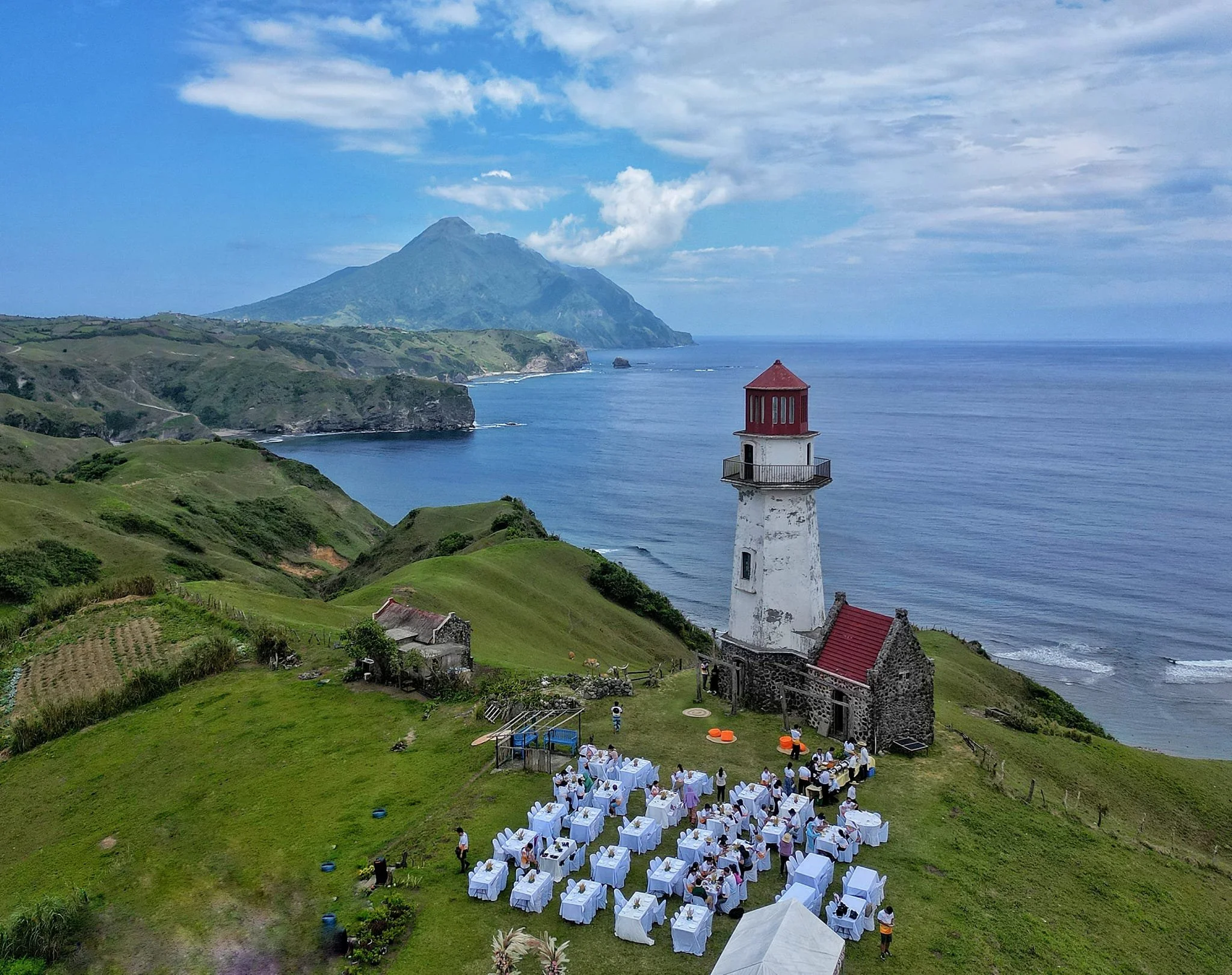
Take Batanes, that windswept northern frontier where the Pacific and the South China Sea blends its shades of blue. On Basco Island, the rolling hills that cradle its lighthouses: Basco Lighthouse in Naidi Hills, Tayid Lighthouse in Mahatao, and even Sabtang Lighthouse across Batan, adds a cinematic look to the wedding. Brides walk on grassy slopes that ripple in the wind, veils caught in a choreography directed by nature itself. The lighthouse stands guard, white and stoic, against a horizon that makes the guests mouth the word “wow”. There are no towering resorts here competing for attention, no glittering skyline. Just sky, sea, and stone houses hunkered low against the breezes.
A wedding in Batanes is for couples who crave intimacy and grandeur in equal measure. The guest list is often edited down to its most essential cast, because logistics here require commitment; flights that bow to weather, suppliers that must be flown in or sourced locally with careful selection. But what guests receive in return is something rare: the sensation of standing at the edge of the map. Champagne tastes different when sipped on a hilltop overlooking cliffs. Photographs look less staged and more casual. The vows, carried by wind, is etched into the landscape.
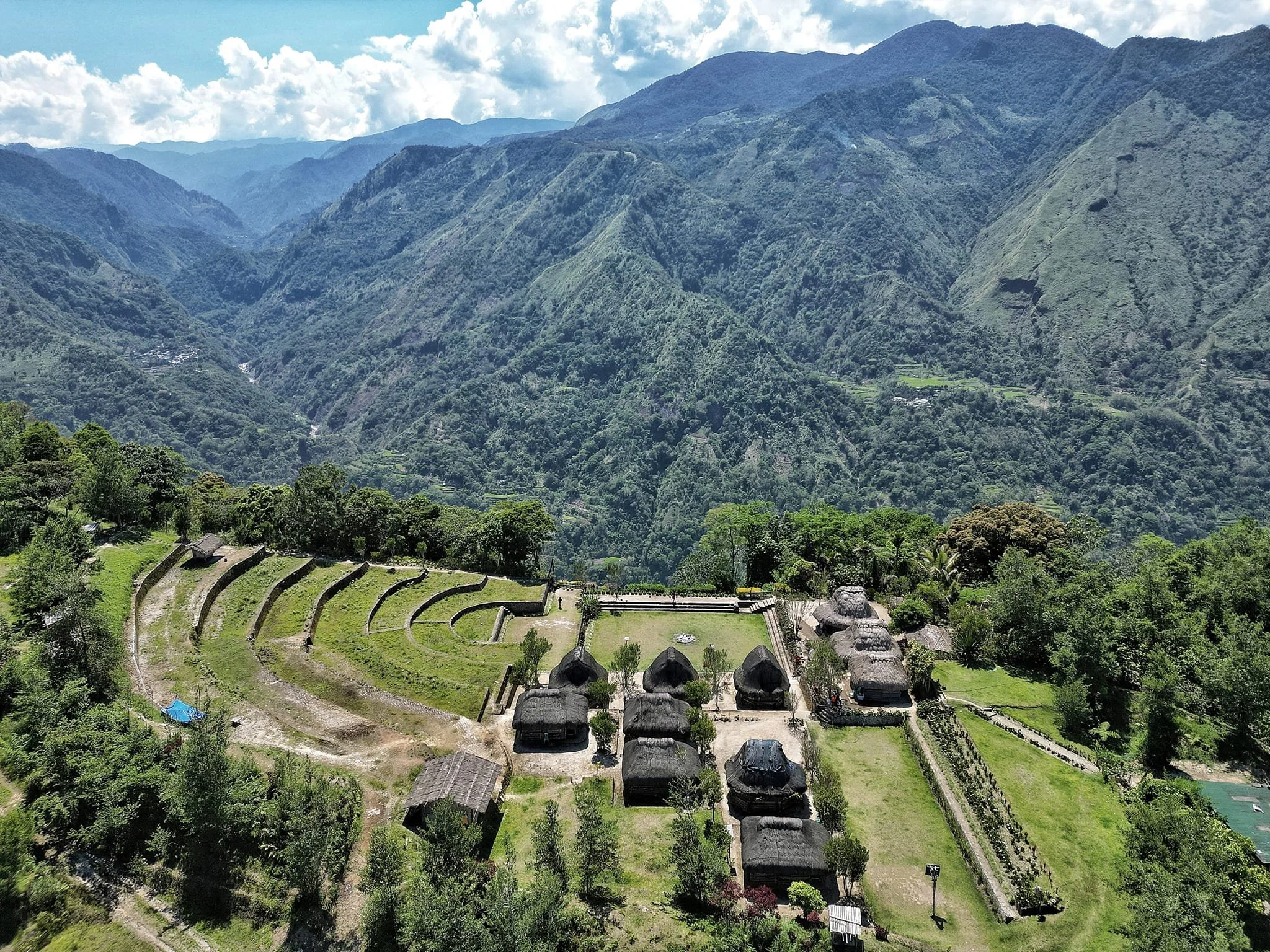
In the north of Luzon, where the Cordilleras fold into one another like folds in a handwoven textile, Awichon in Kalinga offers a quieter, more contemplative setting. Tucked atop the Chico River, framed by rice terraces and forested slopes, it is a setting that delivers solemnity. Ceremonies here happen beneath wide skies and mountain silhouettes, the river providing a gentle soundtrack. Guests can linger after the exchange of vows, trekking through nearby trails or simply absorbing the hush that defines the highlands. It is both sanctuary and adventure—ideal for couples who want their union grounded in nature’s permanence.
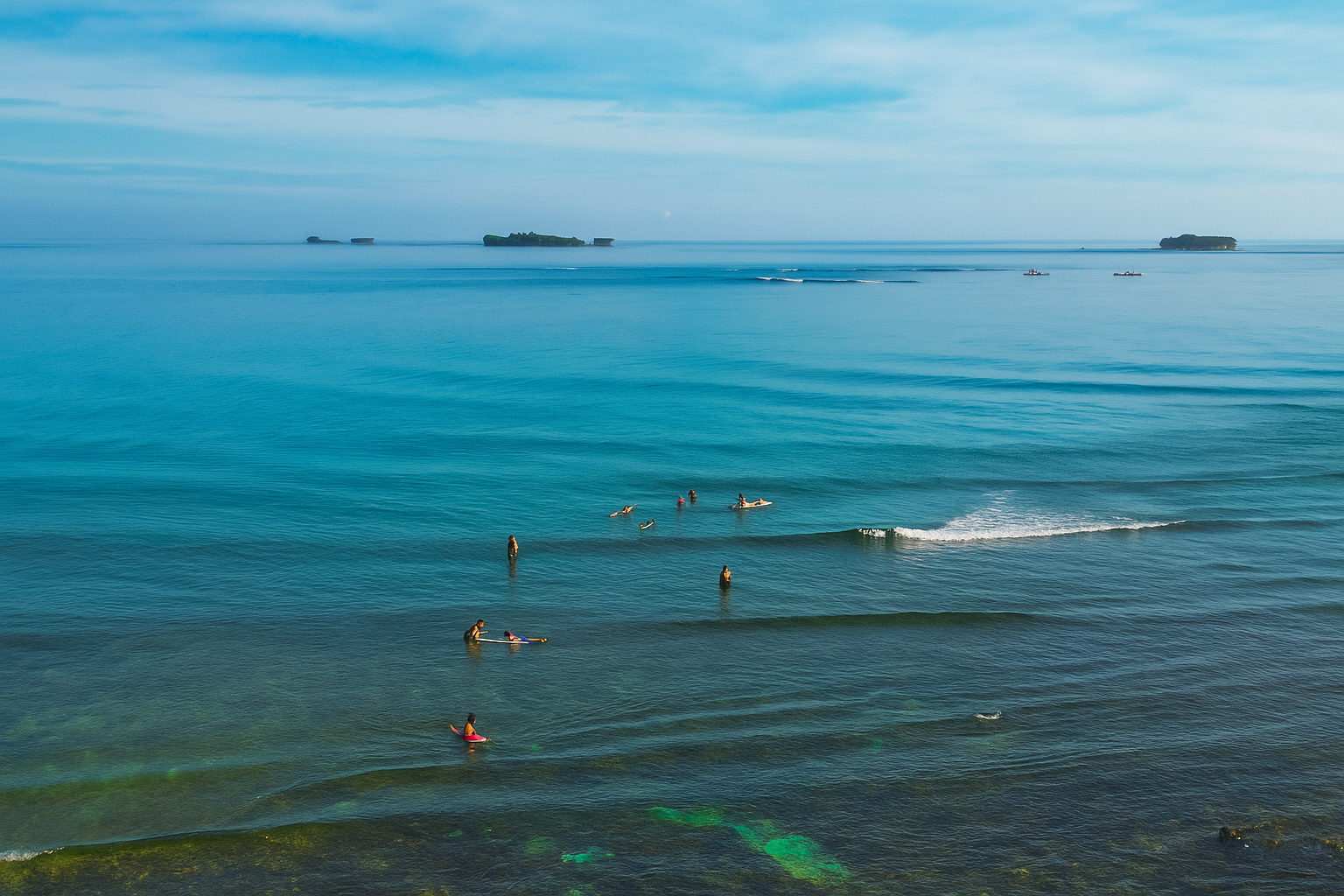
Further south, where coconut palms replace rugged cliffs, Siargao has emerged as one of the favorite items on Pinterest wedding vision boards. Once only known for surfing and little else, the island has matured into something far more interesting. If Bali has grown crowded with the weight of its own tourist boom, Siargao feels like its younger, more spontaneous sibling, less curated, more breathable. Here, nature still dominates the conversation.
Couples wed beneath palm canopies or along stretches of sand that glow honey-gold at sunset. The reception might spill into an open-air pavilion, fairy lights trembling above long wooden tables heavy with grilled seafood and tropical blooms. But what makes Siargao particularly magnetic is not merely its beauty; it is the ecosystem of experiences surrounding the ceremony. Wedding guests can kayak through the jade waters of Sugba Lagoon, island-hop to Naked, Daku, and Guyam, or explore tidal pools in Magpupungko between rehearsals and welcome dinners. There is surfing at Cloud 9 for the athletic set, yoga at dawn for the contemplative, and impromptu bonfires for everyone else.
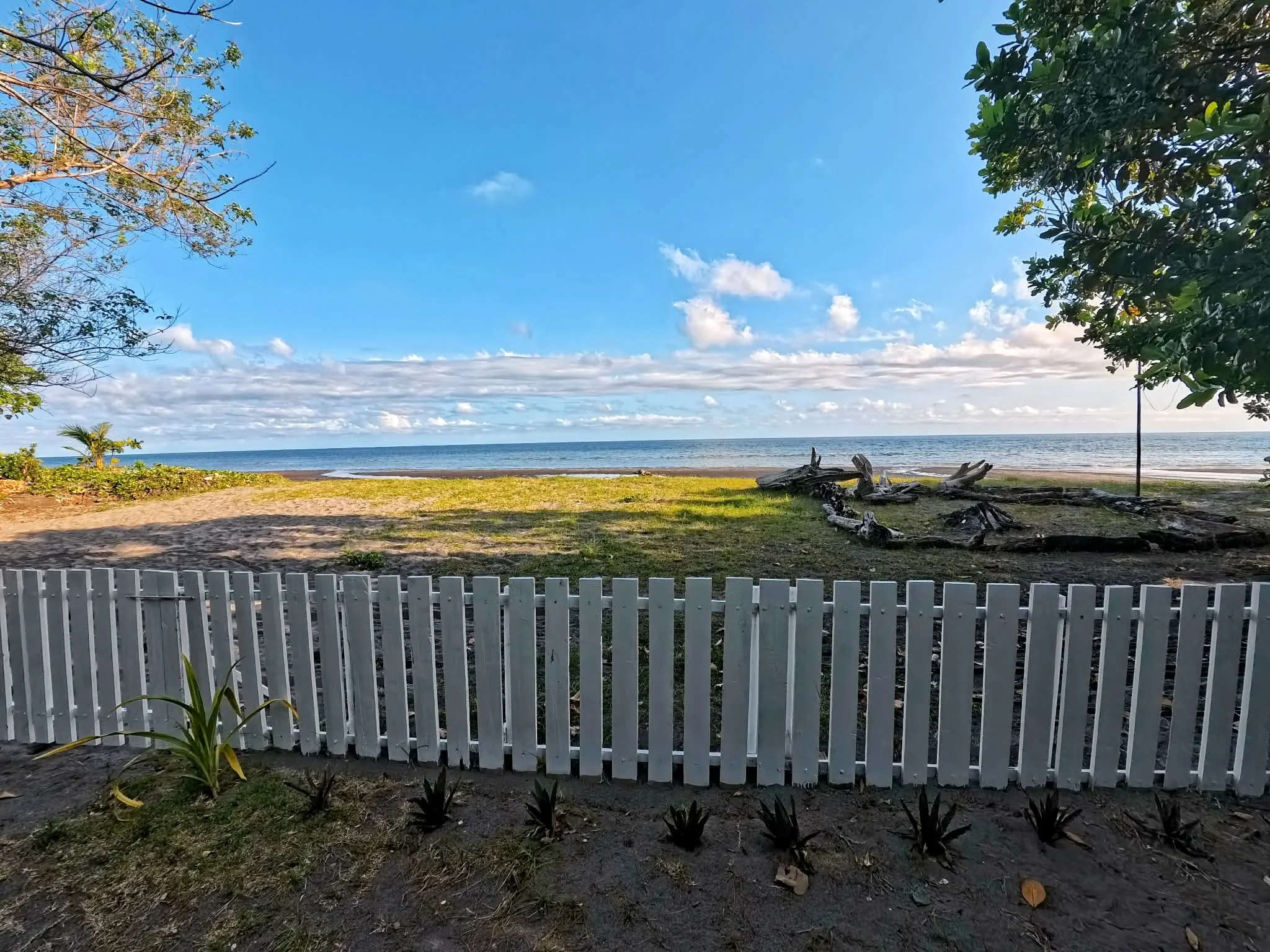
For those further down south in the archipelago, the options unfold with equal poetry. Camiguin, the “Island Born of Fire,” offers a compact yet cinematic backdrop—volcanic peaks rising behind white sand bars that appear and vanish with the tide. A ceremony on the shifting sands of White Island, with Mount Hibok-Hibok looming in quiet majesty, feels elemental and intimate. Guests can soak in Ardent’s hot springs or visit the Sunken Cemetery before the reception, transforming the wedding into a weekend pilgrimage of sorts.
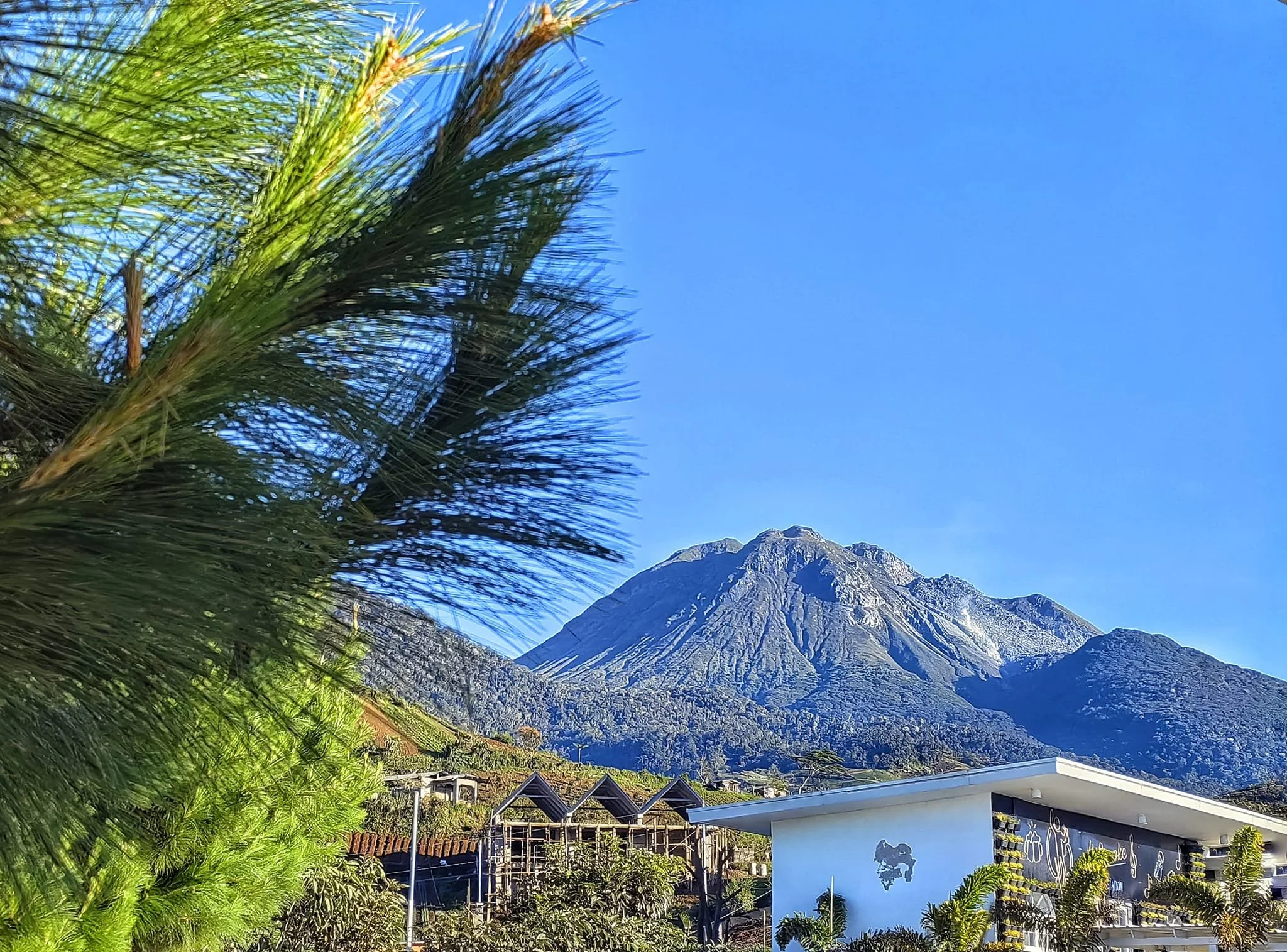
In Mindanao’s highlands, Kapatagan in Digos provides a cool-climate counterpoint to tropical shores. Set against the foothills of Mount Apo, the Philippines’ highest peak, weddings here trade sea breeze for mountain air. Pine-lined scenes and rolling vegetable farms create a countryside vibe. It is an inspired choice for couples drawn to misty mornings, long tables set beneath shades of trees.
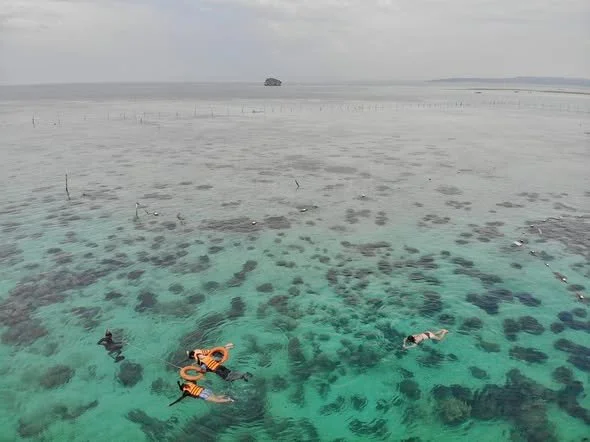
Not far from Davao City, Samal Island tempers accessibility with escape. Known for its powdery beaches and high-end resorts, Samal offers the ease of a short boat ride without sacrificing the fantasy of seclusion. Ceremonies can be held on cliffside decks overlooking the Davao Gulf or on private coves where the horizon blends at dusk. Guests can dive into coral gardens or simply enjoy wellness in spa treatments between wedding events, ensuring the celebration extends well beyond a single evening.
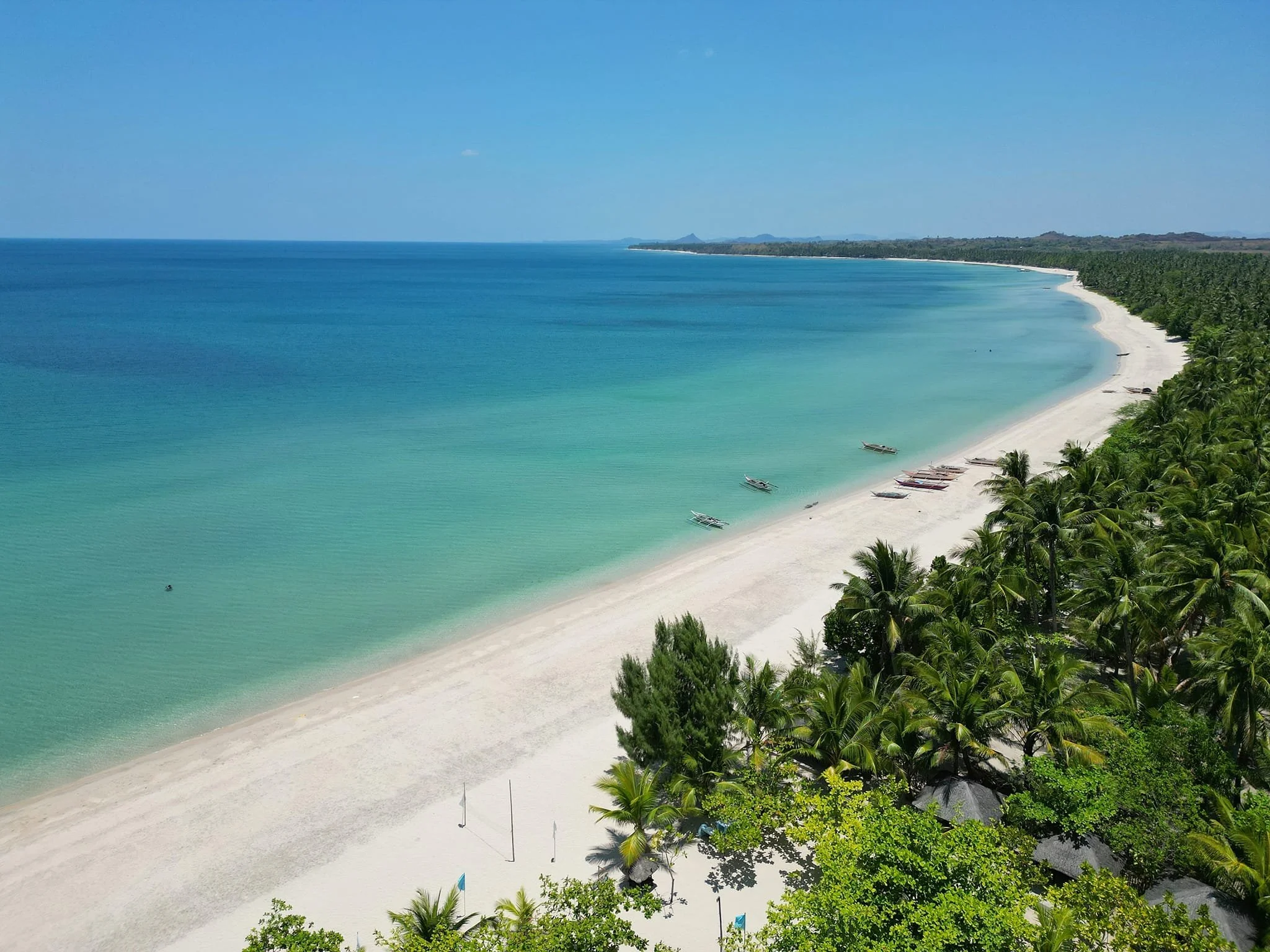
Then there is Balud, Masbate, a name that does not yet get mentioned often on glossy travel spreads or blogs. Unlisted in most travel itineraries of mainstream tourism, Balud give off a sleepy charm. Its white sand beaches are less trodden, less hashtagged, and infinitely more intimate.
A wedding here unfolds at a slow pace. Guests wander streets before the ceremony, greeted by nods and unforced smiles from locals. The beaches, expansive and largely uncrowded, become private stages for sunset vows. There is space here literal and emotional. Space for laughter to travel nonstop across the shoreline, for children to run barefoot without colliding with strangers, for the couple to feel, if only briefly, that the world has narrowed to their chosen circle.
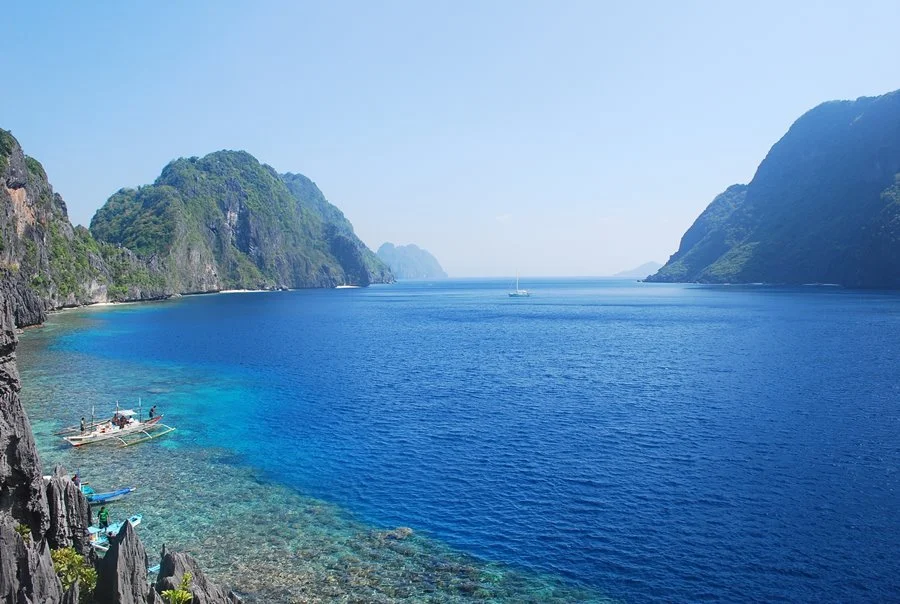
In contrast, El Nido in Palawan trades in drama. Limestone karsts rise from turquoise waters like an operatic backdrop, openly cinematic. Here, weddings flirt with extravagance. Ceremonies are held on private islands accessible by boat, guests ferried across lagoons. The wedding theme is vivid: emerald cliffs, aquamarine sea, bone-white sand.
Luxury resorts in El Nido have mastered the art of orchestrating wedding celebrations in a setting cater to personal preference of the couple. Receptions stretch under starlit skies while waves murmur in the distance. For couples who want their wedding to feel like a scene from a glossy editorial—where every photograph competes for a magazine spread—El Nido delivers more than expected.
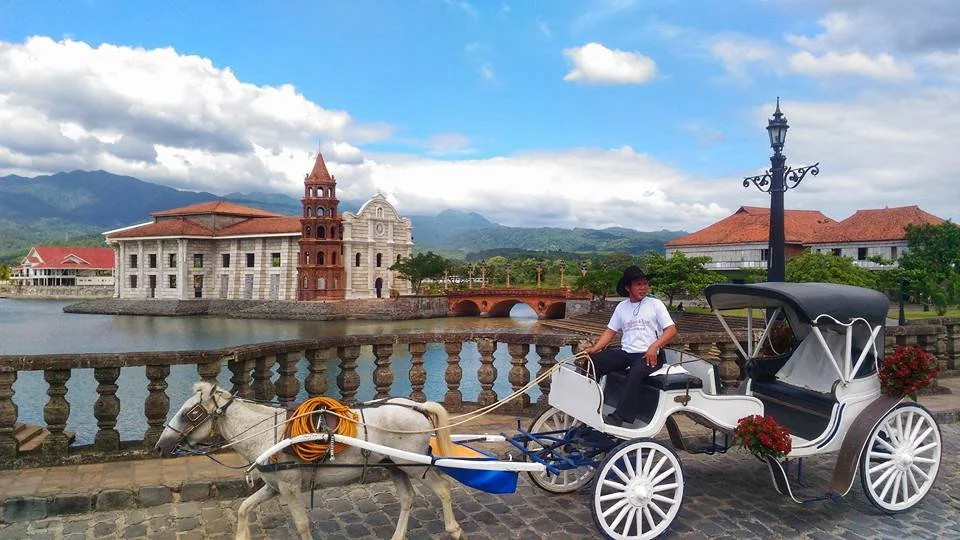
And yet, for those whose romance leans toward nostalgia rather than wilderness, Las Casas Filipinas de Acuzar in Bataan offers a different fantasy altogether. Here, history is not merely preserved; it is staged with loving precision. Spanish-Filipino ancestral houses, meticulously reconstructed brick by brick, line cobblestone streets. Horse-drawn carriages clip-clop past wrought-iron balconies. The air hums with a sepia-toned elegance.
A wedding at Las Casas feels like stepping into a period film where the bride descends a grand staircase in a traje de boda-inspired gown, and guests fan themselves beneath capiz shell chandeliers. The ceremony might take place in a heritage church or by the river at twilight, where lanterns cast a soft glow against centuries-old facades.
In the end, the choice of destination is less about trend and more about temperament. Batanes whispers to the poetic and windswept. Awichon murmurs to the contemplative. Siargao beckons the sun-chasers and thrill-seekers. Camiguin, Kapatagan, and Samal appeal to those drawn to Mindanao’s landscapes. Balud invites the off-the-beaten path traveling couples and guests. El Nido dazzles the nature-addicted romantics. Las Casas serenades the nostalgists.
In an archipelago of over 7,000 islands, these are just a few of the many options for a destination wedding. Remember, when choosing a place to exchange vows, wedding becomes not just a ceremony but a setting, a landscape that holds the vows long after the music fades. And perhaps that is the ultimate luxury: not excess, but place.